In this article
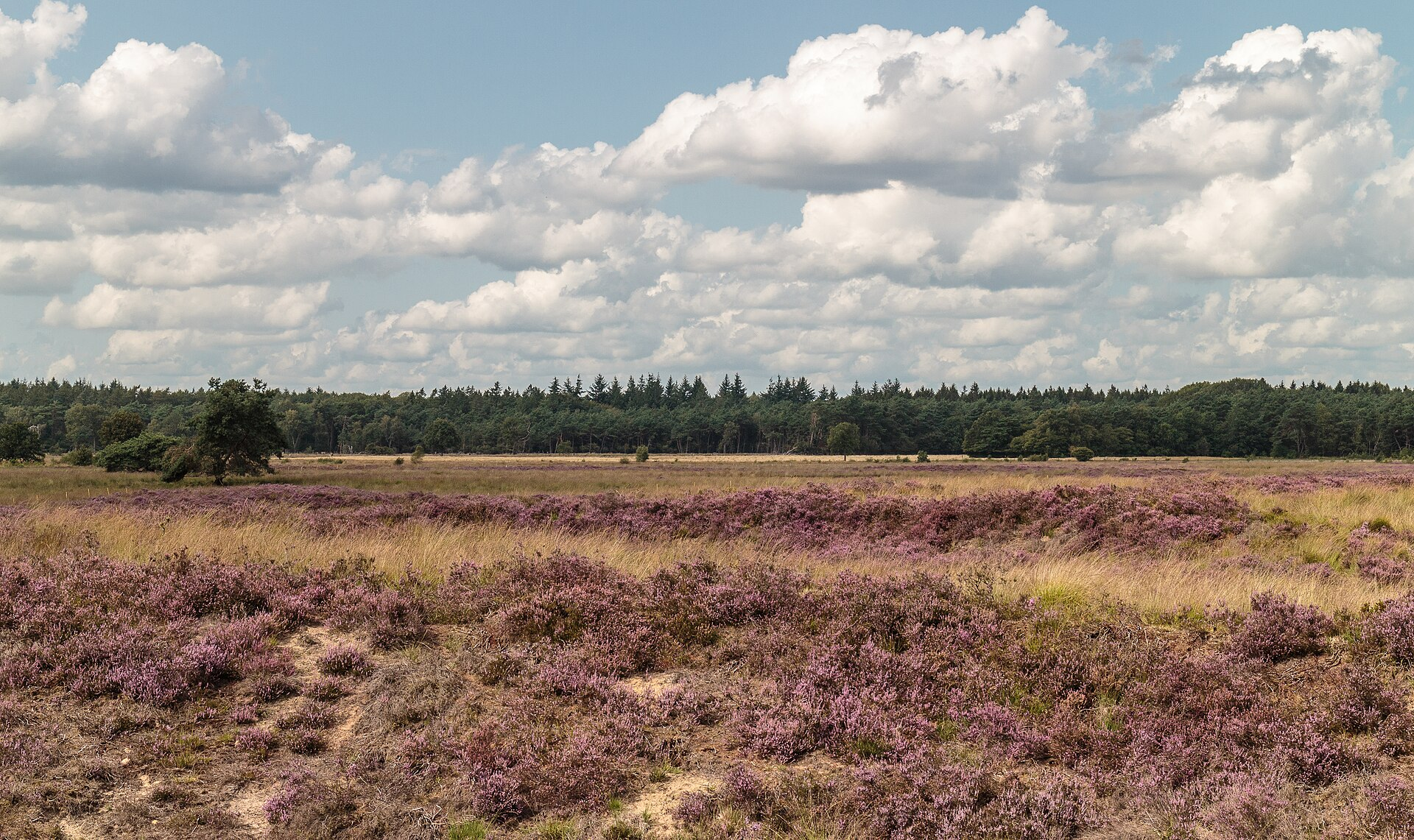
The Tweede Kamer's agriculture committee closes written questions at 10:00 on Wednesday 25 November on bill 37052, which deletes the legal duty to bring 74% of nitrogen-sensitive nature below its critical load by 2035.
The bill, tabled on 3 November by agriculture minister Jaimi van Essen (D66), has two articles. Everything turns on the first, which rewrites Article 2.15a of the Environment and Planning Act.
The clause that changes the yardstick
Article 2.15a now measures nature. It sets the share of nitrogen-sensitive habitat in Natura 2000 sites where deposition stays below the level at which deterioration cannot be ruled out: at least 40% in 2025, 50% in 2030 and "in 2035: at least 74%".
The new text measures what comes out of chimneys, barns and exhausts. It reads: "From 2035 a reduction compared with 2019 of at least 45.4 to 49.7 kilotonnes of ammonia emissions by agriculture" has been achieved, with 50% cuts in ammonia from industry and in nitrogen oxides from mobility.
The 2035 figures are result obligations, as the current targets are. A second figure for farming, 24.8 to 27.0 kilotonnes by 2030, is only an effort obligation.
Who carries the cut
The obligations fall on the State alone. The explanatory memorandum says the bill places no duty on citizens or businesses, and that third parties can hold the State to Article 2.15a in the civil courts.
Farming carries almost all of the tonnage. The kilotonne range is 42 to 46% of a 2019 base of 108.0 kilotonnes, after 6.6 kilotonnes of private, non-commercial farming is taken out. The memorandum puts the industry cut at an indicative 0.7 kilotonnes of ammonia and the mobility cut at 80.6 kilotonnes of nitrogen oxides.
Obligations on individual farms come later, in separate rules. For dairy the memorandum names a norm of 0.164 kg of ammonia per phosphate right per year; the norm per animal place for intensive livestock is still to be set. The government aims to consult on draft rules in the third quarter of 2027.
Why the old numbers go
The government says the current targets are out of reach. The planning agency PBL, in a reflection of 4 September 2026, found that even with the cabinet's package about 43% of the habitat area would be below the critical load in 2035, against the 74% in the law. The average critical load was also lowered in 2023, from almost 19 to 17.7 kg per hectare per year.
The targets are already in court. On 22 January 2025 The Hague District Court, in Greenpeace v the State, ordered the State to meet the 50% target by 31 December 2030. The State has appealed.
Two duties disappear with the targets
The rewrite also drops two paragraphs of the current article. One requires a check "in any event in 2028" on whether the 2035 target can be met. The other obliges the government to table a bill by 2033 setting the next target, until deposition reaches the level needed for a favourable conservation status. The memorandum says whether targets after 2035 are needed will be decided "in due course" from monitoring.
The Council of State's objection
The Council of State advised on an earlier version on 17 December 2025. That draft replaced the targets with an undefined "considerable reduction" by 2035, and the Council advised against tabling it unless amended. It warned that the habitats directive leaves no slack: "Member states do not have the room to choose for themselves the pace at which deterioration is prevented or countered."
The government's reply, dated 3 November 2026, points to the figures now written into the bill. For the 2030 farm target it promises a check in early 2028 and extra measures if the target is slipping; the options it names include a faster phase-out of barns built before 2007. As a backstop for 2035 it says it will write a power to cut production rights "into the law". Bill 37052 contains no such power.
What to watch
- 25 November, 10:00: deadline for the parties' written questions on the bill.
- November 2026: the government expects to open the nitrogen programme for public comment, with consultation on its implementing decree.
- Early 2028: the first monitoring point for the 2030 farm target.
- The Eerste Kamer must pass the bill after the Tweede Kamer before it can enter into force by royal decree.
Follow bill 37052 and the Tweede Kamer's votes on PoliData.
Cite this article
PoliData (24 November 2026). Dutch nitrogen bill trades habitat goals for emission cuts. https://www.getpolidata.com/blog/dutch-nitrogen-bill-37052-2026-11-25
<a href="https://www.getpolidata.com/blog/dutch-nitrogen-bill-37052-2026-11-25">Dutch nitrogen bill trades habitat goals for emission cuts</a> (PoliData)
Get alerts before a bill moves.
Watchlists, keyword alerts, and plain-English summaries across six parliaments, with source-linked updates delivered to your inbox.